Meghan Hartman (Barnard)
“Transitioning (Dream) Bodies: Towards a Trans Aesthetics in Early Modern South Asian Religious Literature”
Tuesday 25 March 12:15 - 1:45 PM
80 Claremont Ave, Room 101
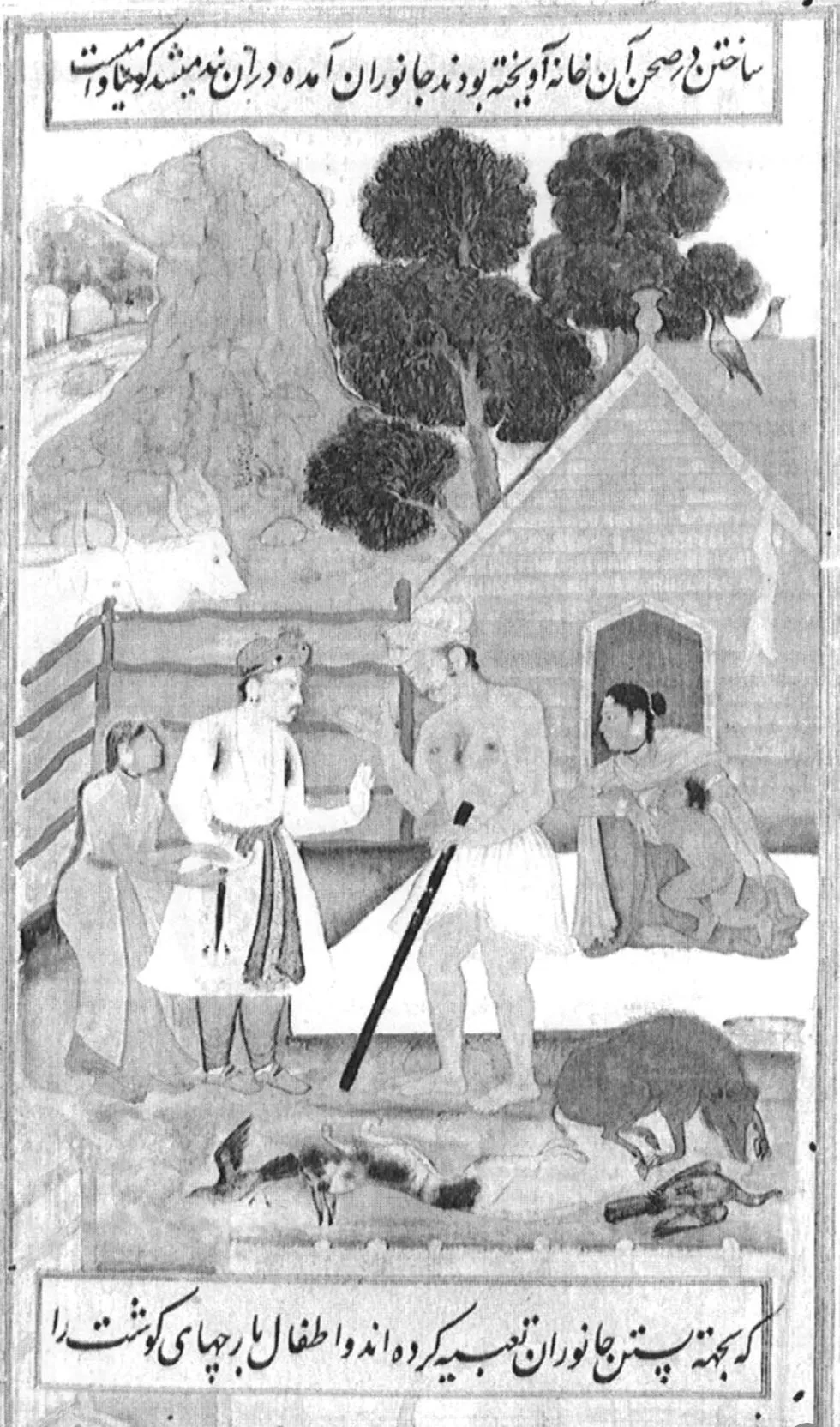
A premodern South Asian philosophical poem compiled in Sanskrit, and later translated
into Persian, the Yoga Vāsiṣṭha (YV) is a dialogue between a Hindu sage and his student who
seeks to liberate his soul from infinite rebirth. Many of the stories deal with traversing dreamscapes, especially people falling asleep as one gender, and waking up as another gender.
This talk will focus on accounts of gender transition mapped along various states of
consciousness (waking world into dreaming world and back again), taking recourse through
Sanskrit and Persian recensions. The stories do not provide a picture of “transness” per se, nor do
they possess any of the stereotypical (and limiting) hallmarks of “trans literature” (i.e. no single
author; not a novel; not about medical transition). It eludes the trappings of a supposedly “trans”
text – and yet that is precisely why it offers something useful to trans studies: a trans literary
aesthetics invested in the question of what composes reality.
The text is polyphonic, unruly, and the site of multiple religious traditions in South Asia (Islam, Buddhism, Hinduism), weighing in
on the question: what does liberation look like? The key to the answer lies in one’s ability to
interpret reality. And specifically, the ability to recognize shifts between different forms of
consciousness is meant to rewrite habits of mind, and ultimately present more modes of being in
the world.
By examining the YV, a text that weaves stories of gender transition within dreamscapes, the talk argues that it provides a theoretical toolkit for thinking beyond the legal
and visual constraints that define “legitimate” trans identities in the contemporary period.